

The purpose-driven performance collection
The ultimate collection of resources to help you translate mission into measurable impact
A purpose-driven organisation (PDO) is any body that has prioritised positive world impact as its primary driver. Charities, government bodies or arms-length bodies are naturally purpose-driven in their intent, but more and more businesses are starting to be set up as, or moving to become, a PDO. While PDOs are centred on their mission, they frequently encounter difficulties in converting that mission into quantifiable results. This makes it more difficult to attract funding, build trust with their employees and customers and leads to a huge amount of waste.
To make PDOs more effective at driving impact, they need to become ruthless in their pursuit, clearly defining what it is they want to achieve, how they intend to achieve it, and implementing the necessary steps to make it a reality. Our purpose and impact consulting services are built on helping organisations navigate this journey.
What is the meaning of purpose-driven performance? It’s the continuous journey of turning an organisation’s intent (it’s “why”) into clear, measurable actions that create real impact. It means making sure everyone’s work is connected to the bigger goal, so people know their efforts matter.
Purpose-driven performance tracks progress towards meaningful outcomes, including social or environmental benefits, and builds a culture where a purpose framework guides decisions and motivates people to do their best work. Aligning purpose with performance is a continuous journey that requires clarity, strategic planning, and a commitment to measuring impact and optimisation. This collection of resources aims to provide you with the framework you need to turn intent into relentless, performance-driven impact. It is designed to help with these sorts of challenges:

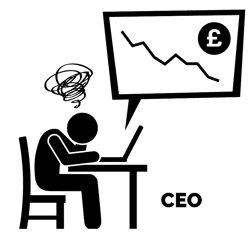
I am a CEO in the not-for-profit industry who has seen regular giving and access to funding drop by 25%. How am I supposed to deliver for my beneficiaries?

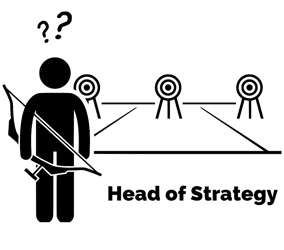
I run a policy area under strict budget constraints. Where, within this complex system, should I dedicate resources to create impact for the citizens I serve?

My new CEO wants to move us to being a purpose-driven organisation. What does this look like in practice, and what will we need to change?
The most effective purpose-driven organisations have extreme clarity on what they are trying to achieve, a relentless focus on achieving it, and are optimised to deliver maximum impact. Our purpose-driven framework helps organisations in these three key areas. Click on the underlined descriptions of each phase to navigate to related content below:
Phase 1: Defining clarity

Phase 2: Achieving strategic focus

Phase 3: Optimising for impact
Phase 1: Defining clarity - Moving purpose from slogan to systemic ambition
Clarity on the specific impact that your organisation wants to have is crucial before doing anything else. Purpose-driven organisations work to change complex systems such as food, housing, health, transport, finance and other complex networks of actors and influences. You need to be able to cut through the noise and clarify the role you will play in these systems and the impact you will have based on the capital and capabilities you have. Clarifying this impact will enable you to bring stakeholders on board and focus your efforts and resources to make it happen.
The links below explore how to find clarity, the importance of purpose-driven leadership and how to enable it, and the power of bringing people together to make progress.
How to find clarity on organisational impact
What is a purpose-driven leader?
The power of systems convening
Phase 2: Achieving strategic focus - Designing an impact-led strategy
Once you have clarity on the specific impact that your organisation wants to have, it’s time to formulate a strategy to embed purpose at the heart of your business operations. You want to focus on the intersection of high-impact activities that you are able to influence because of the resources and capabilities of your organisation. The challenge is mapping work, resources, and spending to actual impact. We recommend implementing a Theory of Change (ToC) to define your specific impact domains and articulate clear routes to impact, and building the capabilities your organisation needs for purpose-driven performance.
Purpose-led strategy: What is it, and how do you deliver on it?
Why a purpose-driven strategy leads to profit
Explore the significant evidence and four key reasons why prioritising purpose over profit creates more resilient and valuable organisations. This piece delves into how a purpose-driven approach fosters long-term thinking, cultivates loyal customer bases, sparks innovation, and builds an engaged, motivated workforce. It outlines practical steps for organisations to define and embed their purpose and values, transforming their strategy from profit-focused to impact-driven for sustained success.
How to embed purpose across your organisation
Moving beyond a statement, how do you embed purpose into the very fabric of your organisation's strategy and operations? Our guide provides a comprehensive framework for designing and implementing an impact-led strategy. It outlines practical steps to shift mindsets, redefine performance, and build resilient structures that ensure your purpose drives every decision.
How the Theory of Change framework can transform your organisation
The Theory of Change in detail
The Theory of Change provides a framework for allocating resources to achieve intended outcomes, helping you assess holistic return on investment. This detailed guide explains how we use ToC elements like Worldview, Systems, and Collaborators to define your role in creating change, balance desirability and feasibility, and proactively mitigate any potential negative impacts.
Phase 3: Optimising for impact - building an operating model to deliver your ambition
In order to deliver on your purpose and impact ambition, you need to be able to effectively evolve your operating model and measure your progress. Operating models outline the necessary work, available resources, and organisational structure required to achieve an organisation's desired impact. Implementation often fails due to a disconnect between top-level strategy and daily team behaviour. Optimisation requires two engines: performance metrics and a purpose-led culture.
The organisational capabilities model
Purpose-led teams: The engine of long-term performance
Practical performance management for purpose-driven organisations
COMING SOON
Our proprietary research on governance investigates how existing governance and ownership structures enable or constrain the journey to purpose-driven performance, providing new insight into effective models. It is due to be released in Q1 2026.
Next steps: Moving from guidance to action
Purpose is the foundation for a resilient, high-performing organisation. By adopting the guidance provided in these resources, you can transform your organisation from being merely busy to genuinely effective, ensuring lasting impact for your stakeholders.
Ready to implement the guidance and transform your impact?
We design purpose-led organisations that are relentless in their pursuit of impact. Our consultants can help you translate this entire methodology into a measurable operating model and performance culture. Learn more about our services here.
Meet the experts
Rutger Veltman
Rutger Veltman is an experienced consultant specialising in purpose and impact strategy, organisational design, and sustainability. Since joining Clarasys in 2022, he has worked across the food, information services, construction, manufacturing, impact investing, and not-for-profit sectors. He recently supported launch of the CPHI Sustainability Collective at Informa, a purpose-driven initiative for sustainability in the pharmaceutical industry. Before Clarasys, Rutger worked at an AI startup and in academia.
Sam Maguire
Sam is a principal consultant who specialises in sustainability strategy and operating model design across multiple industries. He has particular expertise in sustainable business models and designing organisations to be more circular. Having previously worked for Clarasys for four years he rejoined in May 2021 to lead the development of our internal sustainability strategy and roadmap and the formation of our sustainability proposition. Outside of work Sam enjoys playing sport, cooking and being out on his bike.


